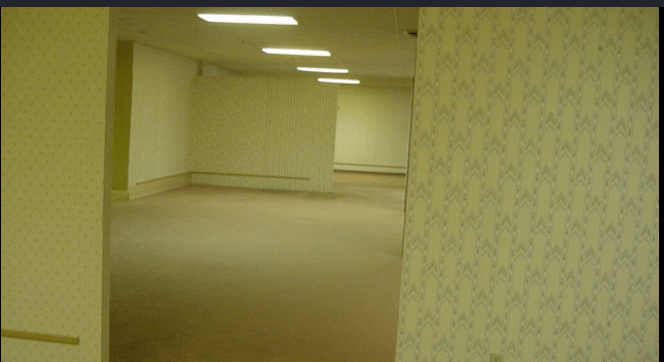
In 2019, an image of a yellowing mundane space lit by the clinal hum of fluorescent lights went viral via the infamous 4chan forums. It was accompanied by a cryptic caption detailing the endless labyrinthine nature of what would soon become known as the ‘Backrooms’, popularised through a found footage YouTube series created by the then teenage Kane Parsons. Now, Parsons is 20,* and has just become the youngest ever director to open a film at number one in the North American box office. For any film, this would be an astounding achievement, but for an avant-garde horror feature that stemmed from internet roots, it is particularly impressive. With the backing of A24 and a small but noteworthy cast led by British veteran Chiwetel Ejiofor and rising newcomer Renate Reinsve, Backrooms is an interesting blend of found footage indie horror and Hollywood style psychological drama. It’s experimental and yet mainstream all at once; much like the aforementioned liminal space itself, it is a head scratching puzzle which you simply cannot resist entering.
Major Spoilers Ahead!
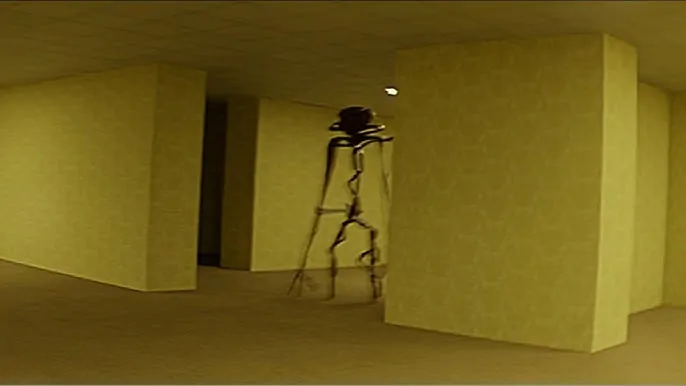
When lonesome furniture salesman Clark (Ejiofor) finds a hidden doorway within the downstairs of his deathly banal showroom, he becomes quickly obsessed with exploring the mysterious dimension within. However, as Clark becomes more neurotic, dragging his assistant manager Kat (Lukita Maxwell), her camera-equipped boyfriend Bobby (Finn Bennett), and eventually his therapist Dr. Mary Kline (Reinsve) into the titular rooms, they quickly discover that they are not the only ones lost within the maze. After Bobby and Kat are both murdered by the monster/Clark (we will never forget your crop tops, Bobby), only Mary is left to fend off our protagonist/antagonist, as it is revealed the ‘monster’ within the Backrooms is, in fact, a distorted version of Clark’s pirate caricature seen earlier in the film.
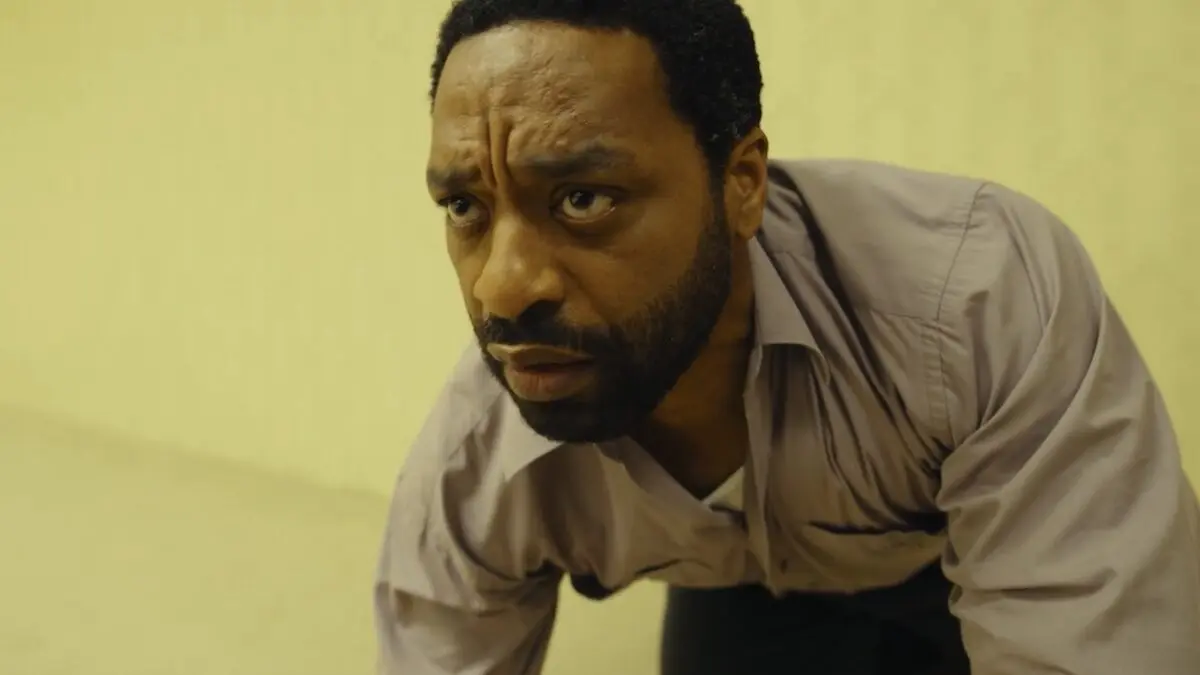
Waiting until the third act to reveal the ‘monster’ is a classic tactic in keeping the audience on-edge, and, in this instance, it pays off. Like Obsession, the scares from Backrooms mostly come from the nature of the uncanny: distorted faces with three sets of eyes; a room that is almost normal but not quite; a deformed monstrous version of Clark which reflects his inner most-self. In the case of the latter, the uncanny comes to symbolise a perception of Clark’s inner self. All of his repressed rage, failure, and denial manifest into Pirate Clark (Robert Bobroczkyi), a physical distortion which represents all the parts of himself he doesn’t want anyone else to see. Although appearing sympathetic to begin with, Clark’s true nature is heavily hinted at throughout the film; for example, it is implied that he is an abusive alcoholic, his wife kicked him out of their home leaving him sleeping in his showroom, and he consistently gaslights and blames those around him for his own shortcomings. At the climax of the film, Clark is tragically consumed, figuratively and literally, by this physical manifestation – as soon as he entered the Backrooms, it was apparent there would never be a way for him to turn back.
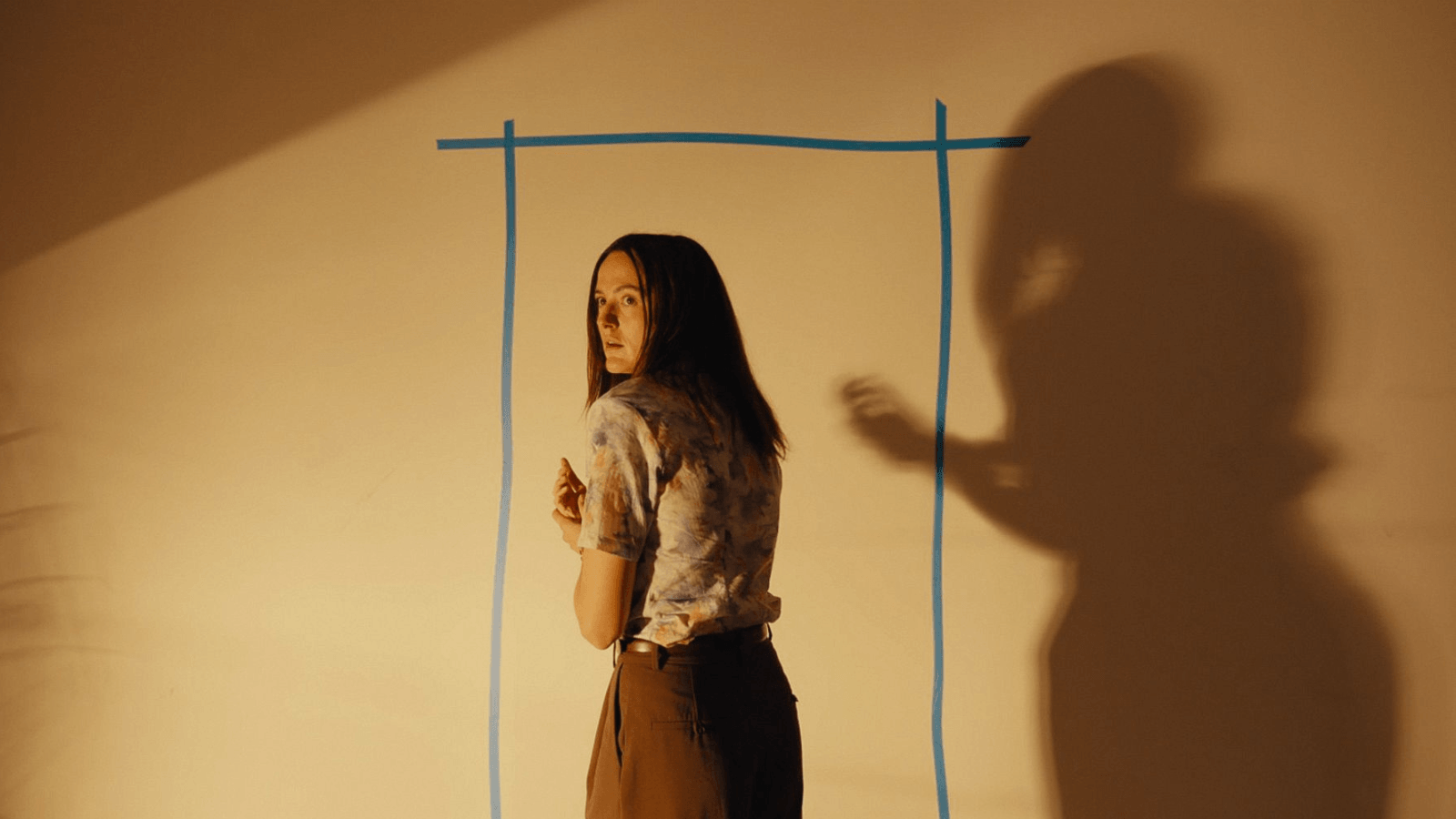
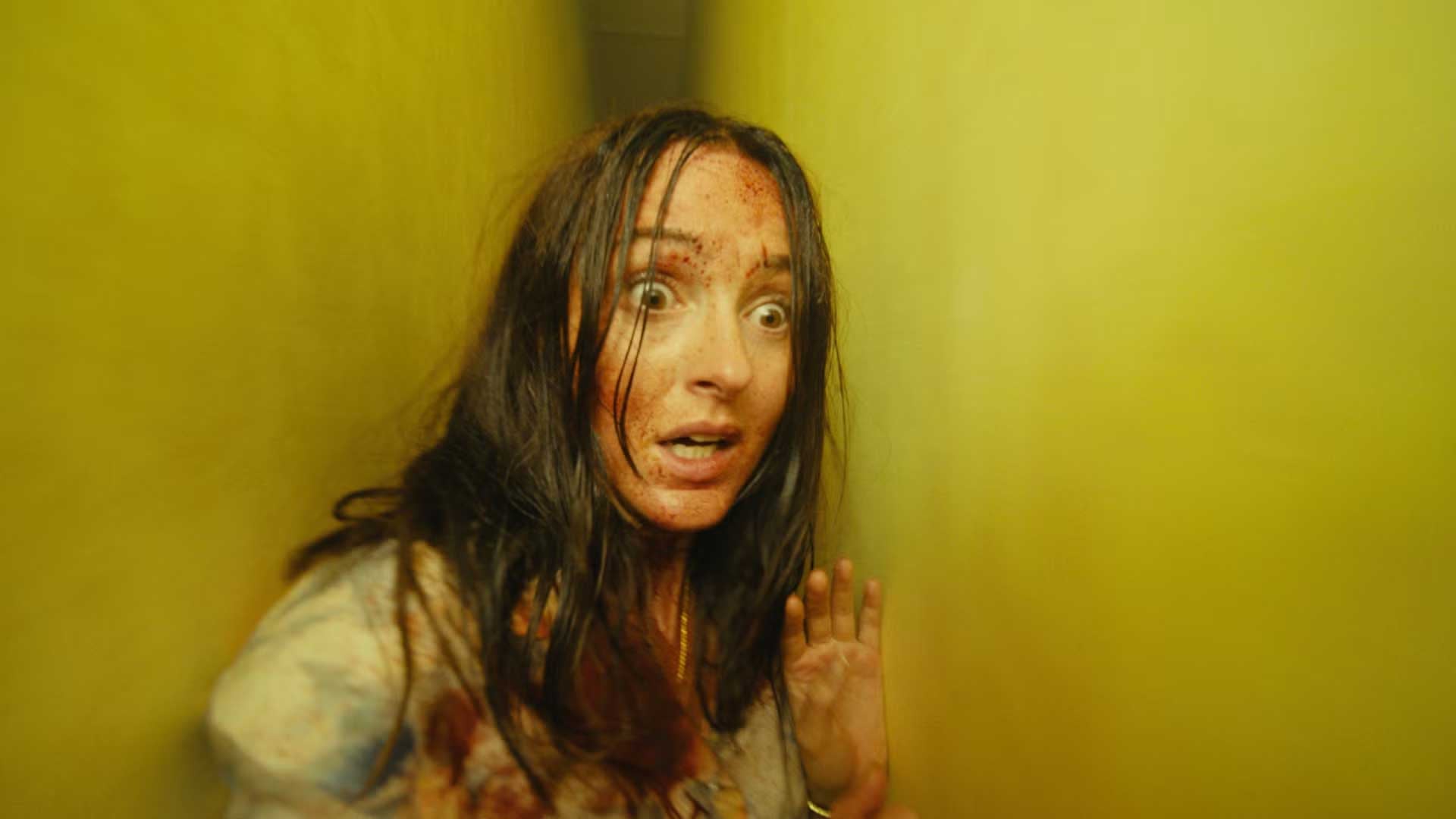
Reinsve’s Mary on the other hand does escape – sort of. After being chased by Pirate Clark, she gets away, only to be met by hazmat-suited employees of Async, the corporation responsible for exploring the ‘Backrooms’. From this moment on, we know that although she escaped Pirate Clark, she has not escaped the fate of captivity. Much like Clark, Mary’s trauma is also manifested within the ‘Backrooms’, as we are incrementally shown flashbacks to her deeply troubled childhood, where she was kept locked inside by her mentally ill mother until their house was eventually torn down, with her mother being committed to a psychiatric ward. It can only be assumed that this is why Mary chose therapy as her career path, as she tries to vindicate the life choices of her clients while continually evading the reality of her own past. At the dinner table scene, we finally see Mary break her therapist schtick, and confess to Clark that she cannot help him, or anyone for that matter; they are inherently who they are, and that is who they will always be inside. She forces Clark to accept this, and he does, with his self-realisation causing his demeanour to instantly change. Unfortunately, it is also his fatal downfall, as Pirate Clark exists in opposition to this self-realisation; he is the denial that Clark held onto for so long, ultimately killing him. Back to the point at hand, real-life Mary eventually escapes the ‘Backrooms’, however, like Clark she has a realisation: Async will never let her go. She is trapped, just as she always has been, never escaping her trauma. The film ends on an eerie shot of Mary manifested in a ‘Still Life’ form; deformed, unable to speak or move, mannequin like in disposition. It is a disturbing image which imitates that of her of own mother, as Mary is in an endless cycle of interior trauma. Physically, she escaped; mentally, she will never be free.
Backrooms was always destined to become a hit. The term itself has become a widely used phrased within the Gen-Z zeitgeist, as the notion of becoming trapped in an endless void of coffee-stained carpets, yellow- peeling walls, and eye-twitching fluorescent lights mirrors real world anxieties of the grip capitalism inevitably has on us. Much like Clark, who once dreamed of being an architect, many of us lead unfulfilling lives in jobs we hate. Much like Mary, who is followed by her trauma, many of us are stuck in a never-ending (capitalistic) cycle that we are unable to break free from. We are not born to become a cog in the machine and yet it is the fate most of are destined to. Wandering the emptied halls of faceless corporations, only to one day realise you have become faceless too; like the ‘Still Life’s’ in the Backrooms, late-stage capitalism takes us and dehumanises us, churning us out into something we don’t recognise anymore. Like Clark and Mary, we had dreams and aspirations once too. But the ‘Backrooms’, symbolic of capitalist society, traps us in a repetitive, disconnected, liminal void, where there is no time or windows to the outside or end destination; only the ceaseless walls which surround you.
* Kane Parsons has since turned 21 while writing this post.
Final Verdict:
In one way or another, we are all trapped; Backrooms recognises this as the bleak, intrinsic truth. Whether it is within our own vast interior like Clark, inescapable past trauma like Mary, or the ceaseless capitalist machine that the ‘Backrooms’ themselves embody, life feels like a series of inevitability’s that keep us from being truly free. Backrooms is the removal of all dreams; it is, at its core, dehumanisation. From the uncanny ‘Still Life’s’ to the empty faded corridors our characters become lost within, Backrooms takes existential dread to a whole new level. It is a profoundly terrifying debut, drawing inspirations from found footage experiences like Blair Witch Project, combined with a distinct Lynchian sentiment. Parson’s direction will make you want to get lost within the deep lore that Backrooms has to offer, but be careful; once you enter, you may never find your way back out.
 The Scream Queen
Leave a comment